
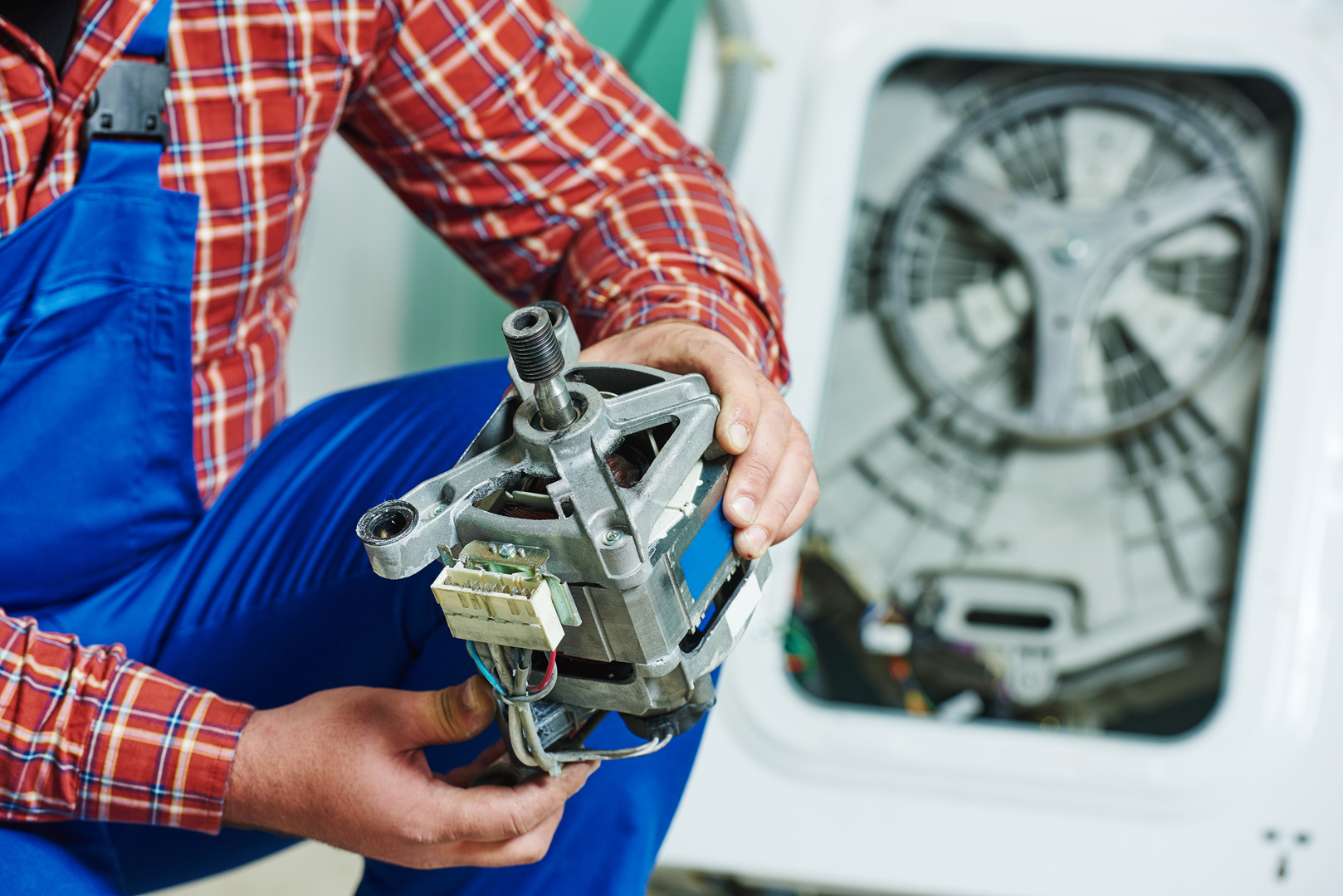
When a washer stops draining, or a refrigerator stops cooling, the first question is usually the same: how much will it cost to fix? Small appliance repair cost depends on the appliance, the fault, and the part that needs replacing, and in most cases, repairing is cheaper than buying new.
This guide explains what drives the price of a repair, what to expect for each type of household appliance, how to decide between repair and replacement, and how to avoid paying more than you need to. At Feeney Brothers Enterprise, a family-owned appliance repair company serving customers since 2009, we explain the problem and give a clear estimate before any work begins, so you always know the cost first.
What Is Small Appliance Repair?
Small appliance repair is the diagnosis and repair of household kitchen and laundry appliances, so you can keep using the unit instead of replacing it. It covers washing machines, ovens, stove tops, ranges, refrigerators and dishwashers, in both gas and electric models where they apply.
A repair visit usually has three parts: finding the cause of the fault, replacing or fixing the failed component, and testing the appliance to confirm it works properly. Each part feeds into the final cost.
What Affects Small Appliance Repair Cost?
No two repairs cost exactly the same. Six factors decide the final price.
Type of appliance
Each appliance has different parts, wiring and complexity. A dishwasher seal and a refrigerator compressor are very different jobs, with different parts and different labor. A simple appliance with easy access usually costs less to repair than one with internal electronics or a sealed cooling system.
The fault itself
The failed component is the biggest cost driver. Cleaning a clogged filter or replacing a door seal is a quick, low-cost job. Replacing a pump, motor, control board or compressor involves more expensive parts and more time.
Parts and brand
Part prices vary by brand, model and availability. Common parts for popular brands such as Whirlpool and Samsung are usually easy to source. Rare or discontinued parts take longer and can cost more.
Age of the appliance
Older appliances can need parts that are harder to find, and they are more likely to have more than one worn component. A repair that makes sense on a five-year-old unit may not make sense on a fifteen-year-old one.
Labor time
Some repairs take under an hour. Others need the appliance partly dismantled, tested and reassembled. Labor time directly affects the estimate.
Diagnosis
Every estimate starts with finding the root cause. A careful diagnosis avoids replacing parts that were never faulty, which is one of the best ways to keep costs down.
Small Appliance Repair Cost by Appliance
Below is what typically drives the cost for each appliance, along with the common signs that it needs repair. We give exact prices only after diagnosis, because the same symptom can have different causes.
Washing machine repair cost
Common problems include a washer that won’t spin, won’t drain, leaks or shakes violently. The cost depends mostly on the failed part: a drain pump, drive belt, door seal, motor or control board. Top-load and front-load washers have different designs, which can change the labor involved.
If your washer leaves clothes soaking wet or stops mid-cycle, get it checked early. A small drain or pump problem can damage other parts if you keep using the machine.
Oven, stove top and range repair cost
Typical faults include an oven that doesn’t heat, uneven temperatures, burners that won’t light and unresponsive controls. Likely parts are the heating element, igniter, thermostat, temperature sensor and control board. Gas and electric models have different components, so the repair cost differs between them.
Because ovens and ranges involve heat, gas or electricity, repairs should be done by a trained technician. For more detail on oven pricing, read our oven repair cost guide.
Refrigerator repair cost
Our refrigerator repair service starts with a full diagnosis.” Add this at the end of the second: “For a full list of causes, read our guide on a refrigerator not cooling.” Then remove the refrigerator link from the residential paragraph.
Dishwasher repair cost
Common issues are leaks, standing water, dishes that come out dirty or cloudy, and a cycle that won’t start or stops partway. Typical parts include the drain pump, inlet valve, door seal, spray arm and control board. Many drainage problems start with a blocked filter, which is a low-cost fix. For fault-by-fault advice, see our dishwasher repair guide.
Residential Appliance Repair Cost
Our residential appliance repair service is for homeowners and renters who want a reliable local repairer for kitchen and laundry appliances. One call covers your washing machine, oven and range, refrigerator and dishwasher, so you don’t need a different technician for each.
Residential repairs are priced per job, based on the appliance, the fault and the parts needed. You receive the diagnosis, the repair required and the cost before we start, and nothing goes ahead until you approve it.
What this means for you:
- One point of contact for every kitchen and laundry appliance in your home.
- No surprise charges. The estimate is explained before the repair begins.
- Honest advice. If a repair isn’t worth the cost, we tell you.
- Renters and homeowners. We repair household appliances for both. Renters should check with their landlord first about who pays for repairs.
If you want to compare what we offer across all appliances, see our full appliance repair service page.
Repair or Replace? A Simple Guide
The right choice depends on the age of the appliance, the cost of the repair and how often it has broken down.
When repairing makes sense
- The appliance is fairly new or has years of useful life left.
- The fault is a single, identifiable part.
- The repair costs well below the price of a comparable new unit.
- It is a quality model that has served you well.
When replacing may be better
- The appliance is near the end of its typical lifespan.
- It has broken down several times in a short period.
- The repair cost is close to the price of a new one.
- Parts are no longer available.
A common rule of thumb is that if a repair costs around half the price of a new appliance or more, replacement deserves serious thought. It is only a guide, and the right answer also depends on the appliance’s age and condition. After diagnosis, we give you an honest view of which option makes sense, even when that means recommending against a repair.
How to Avoid Overpaying for Appliance Repair
A few habits keep repair costs fair and predictable.
- Describe the problem clearly. Note the symptoms, when they started and any error codes. This speeds up diagnosis.
- Have the brand and model ready. The model number is usually on a label inside the door or on the back of the unit.
- Ask for the estimate before work starts. Never approve a repair without knowing the cost.
- Ask what is wrong and why. A good technician explains the cause in plain language.
- Don’t delay. A small fault left alone can damage other parts and raise the final cost.
- Check your warranty. Some appliances or parts may still be covered, so check before you pay.
How to Keep Appliance Repair Costs Down
Regular care reduces breakdowns, and fewer breakdowns mean fewer repair bills.
- Washing machine: Don’t overload it, clean the door seal and run an occasional cleaning cycle.
- Dishwasher: Clean the filter regularly and scrape plates before loading.
- Refrigerator: Keep the door seals clean, don’t block vents and clear dust from the coils.
- Oven and range: Wipe up spills promptly and keep burners and igniters clean.
These simple steps extend the life of your appliances and make problems easier to spot early.
How We Estimate Your Repair
Our process keeps the cost transparent at every stage.
- Contact us: Share the appliance type, brand and the problem.
- Diagnosis: Our technician finds the root cause.
- Clear estimate: We explain the fault and the cost, and you approve it before work starts.
- Repair and test: We complete the repair with quality parts and test the appliance.
Learn more about our small appliance repair service.
Areas We Serve
We provide appliance repair in Cincinnati, OH, Lexington, KY, Morehead, KY, Hillsboro, OH, Mount Sterling, KY and Washington, KY, and the surrounding areas. Call to confirm service at your address.
Small Appliance Repair Cost FAQs
How much does small appliance repair cost? It depends on the appliance, the fault and the parts needed. We give a clear estimate before any work begins.
What affects the cost of appliance repair? The type and age of the appliance, the failed part, the brand and model, and the labor time.
Is it cheaper to repair or replace an appliance? Repairing is usually cheaper for newer appliances with minor faults. If the repair cost is close to a new unit, replacing may make more sense.
Do you charge for a diagnosis? We diagnose the problem and explain the cost before any repair. Call for current details on diagnostic fees.
Do you offer residential appliance repair? Yes. We repair washers, ovens, stove tops, ranges, refrigerators and dishwashers for homeowners and renters.
Will I know the price before the repair starts? Yes. We explain the problem and give a clear estimate, and nothing starts until you approve it.
How do I get a quote? Call (513) 814-1470 or request a free quote. with your appliance type, brand and the problem.
Get a Clear Estimate Today
Need small appliance repair? Call (513) 814-1470 or visit the Feeney Brothers Enterprise home page to request a free quote. We will diagnose the problem, explain your options and give you the cost before any work begins.