

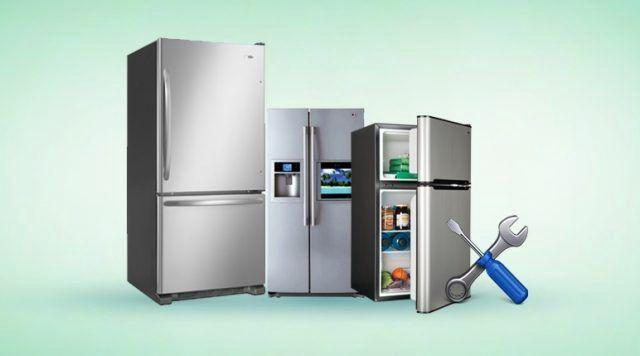
A refrigerator that stops cooling puts a week of groceries at risk within hours. The most common causes are dirty condenser coils, a failed fan motor, a worn door seal, or a faulty control or defrost part. Some of these you can check yourself in minutes. Others need a trained technician.
At Feeney Brothers Enterprise, we help homeowners identify refrigerator problems and understand their repair options. This guide explains what to do right away, the eight most common reasons a refrigerator stops cooling, typical repair costs, and how to decide whether to repair or replace your appliance.
This guide covers what to do right now, the 8 most common causes, typical repair costs, and how to decide whether to repair or replace your refrigerator.
What to Do Right Now If Your Refrigerator Stops Cooling
- Keep the doors closed. An unopened refrigerator keeps food safe for about 4 hours, and a full freezer for up to 48 hours (24 if half full).
- Check the temperature. Put an appliance thermometer inside. The refrigerator should read 40°F or below, and the freezer 0°F.
- Check the basics. Make sure the plug is secure, the outlet works, and the breaker has not tripped.
- Move food if needed. If the inside is above 40°F for more than 2 hours, move perishables to a cooler with ice.
- Do not eat questionable food. When in doubt, throw it out. Meat, dairy, eggs, and leftovers are the highest risk.
8 Common Reasons a Refrigerator Is Not Cooling
1. The temperature setting is wrong
A bumped dial or a cleared control panel can raise the setting without anyone noticing. Set the refrigerator to about 37°F and the freezer to 0°F, then wait 24 hours before judging the result. Many fridges have a “demo” or “showroom” mode that stops cooling, so check your manual if the display looks odd.
2. Dirty condenser coils
The condenser coils release heat from the sealed system. When dust and pet hair cover them, the refrigerator runs constantly and still cannot cool. They are usually behind the bottom grille or on the back.
What to do: Unplug the refrigerator, then clean the coils with a coil brush and vacuum. Repeat every 6 months, or more often if you have pets.
3. A failed condenser fan
The condenser fan pulls air across the coils and cools the compressor. If it stops, the compressor overheats and cooling drops. A fan that is silent or makes a grinding noise needs replacement.
4. A failed evaporator fan
The evaporator fan circulates cold air from the freezer into the refrigerator section. If the freezer is cold but the refrigerator is warm, this fan, or a blocked vent or frozen coil near it, is a prime suspect.
5. A worn or dirty door gasket
A cracked, torn, or dirty seal lets warm air in and puts extra load on the system.
Dollar bill test: Close the door on a dollar bill. If it slides out easily, the seal is not tight enough.
6. A defrost system failure
A failed defrost heater, thermostat, or timer lets frost build up on the evaporator coil until it blocks airflow. Heavy frost on the back wall of the freezer is a common sign. Melting the ice only helps for a few days if the failed part is not replaced.
7. A faulty control board or temperature sensor
Modern refrigerators rely on electronics to tell the compressor and fans when to run. A bad sensor, damper, or control board can leave the cooling system idle even though everything else works.
8. Compressor, start relay, or low refrigerant
If the compressor will not start, clicks on and off, or runs hot, the start relay or the compressor may be the problem. A refrigerant leak in the sealed system also stops cooling.
Troubleshooting by Symptom
| What you notice | Likely cause |
|---|---|
| Freezer is cold, refrigerator is warm | Evaporator fan, blocked air vent, defrost problem, damper |
| Runs constantly but is warm | Dirty condenser coils, condenser fan, low refrigerant |
| Does not run at all | Power, control board, start relay, compressor |
| Frost or ice buildup | Defrost system, door seal |
| Clicking, then silence | Start relay or compressor |
| Water pooling inside or underneath | Clogged defrost drain |
Ice Maker or Water Dispenser Not Working?
A refrigerator can cool perfectly and still have a dispenser problem. The most common causes are:
- A frozen or clogged water line. Water cannot reach the dispenser, or it comes out slowly.
- A clogged or old water filter. Replace it on the schedule in your manual, usually every 6 months.
- A failed water inlet valve. The valve does not open, so no water enters the ice maker or dispenser.
- A freezer that is too warm. Ice makers need the freezer at about 0°F to make ice.
- A jammed ice maker or a bad ice maker assembly. Ice fuses into a block, or the ice maker never fills.
If the filter is fresh and the freezer is cold but there is still no water or ice, the valve or ice maker assembly usually needs replacement. This is a common repair and is often much cheaper than replacing the refrigerator.
Typical Refrigerator Repair Costs
Prices depend on the brand, model, part, and labor, so treat these as a rough guide:
| Repair | Typical range |
|---|---|
| Diagnostic / service call | $75 to $150 |
| Condenser coil cleaning | $75 to $200 |
| Door gasket replacement | $100 to $250 |
| Start relay | $100 to $250 |
| Fan motor (condenser or evaporator) | $150 to $400 |
| Defrost heater, thermostat, or timer | $150 to $400 |
| Control board | $200 to $500 |
| Compressor / sealed system | $700 to $1,500+ |
Should You Repair or Replace Your Refrigerator?
A simple guide is the 50% rule: if the repair costs more than half the price of a comparable new refrigerator, and the unit is past the middle of its life, replacement usually makes more sense.
Most refrigerators last 10 to 15 years. New models vary widely in price, from about $1,000 for basic top-freezer units to $3,000 or more for French door and built-in styles (approximate).
- Repair it if the refrigerator is under about 10 years old and the problem is a fan, gasket, defrost part, relay, or board.
- Consider replacing it if it is over 12 to 15 years old, needs a compressor or sealed system repair, or has already had several repairs.
- Ask for an honest quote either way. A good technician will tell you when a repair is not worth it.
How to Keep Your Refrigerator Running Longer
- Monthly: Wipe the door gaskets and check that doors close fully.
- Every 6 months: Clean the condenser coils.
- Do not overfill. Leave space around the vents so air can circulate.
- Keep it level and clear. Leave a few inches of space behind and above the unit.
- Replace water filters on the schedule in your manual.
When to Call a Professional
Call for service if:
- The refrigerator is warm and cleaning the coils did not help
- The compressor clicks, buzzes, or will not start
- Frost or ice keeps coming back
- Water leaks inside or onto the floor
- The unit trips the breaker or the display shows an error code
Frequently Asked Questions
Why is my freezer cold but my refrigerator warm?
Usually a failed evaporator fan, a blocked air vent, or a frost-clogged coil from a defrost problem. The freezer stays cold, but not enough air reaches the refrigerator section.
How much does it cost to repair a refrigerator?
Most repairs fall between about $100 and $500. Compressor and sealed system repairs cost the most. See the cost table above.
How long does a refrigerator last?
Typically 10 to 15 years. Regular cleaning and a few simple habits help it reach the high end.
Is it worth repairing an old refrigerator?
If the repair is under half the price of a comparable new unit and the refrigerator has useful life left, usually yes. If it is old and keeps breaking down, replacement is often cheaper long term.
How long can food stay in a refrigerator without power?
About 4 hours if the doors stay closed. After that, perishable food should be discarded.
Should I unplug it to reset it?
Unplugging for a few minutes can reset a control board, but if the problem comes back, there is an underlying cause that needs diagnosis.
Other Home Appliance Problems We Fix
If your refrigerator is working but something else in the kitchen or laundry room is not, we can help with that too:
- Electric range or stove burner not heating: see our range repair and stove top repair pages.
- Oven not heating or heating unevenly: see oven repair.
- Dishwasher leaking or not draining: see dishwasher repair.
- Washer not spinning or draining: see washing machine repair.
- Appliance installation: [add if offered: dishwasher, range, range hood, and other installations].
Need Refrigerator Repair?
Feeney Brothers Enterprise/Appliances is a family-owned repair company that has served homeowners since 2009. We provide refrigerator repair in Cincinnati, Hillsboro, Mount Sterling, Washington KY, Lexington KY, and Morehead KY. We also repair washing machines, dishwashers, ovens, and ranges.